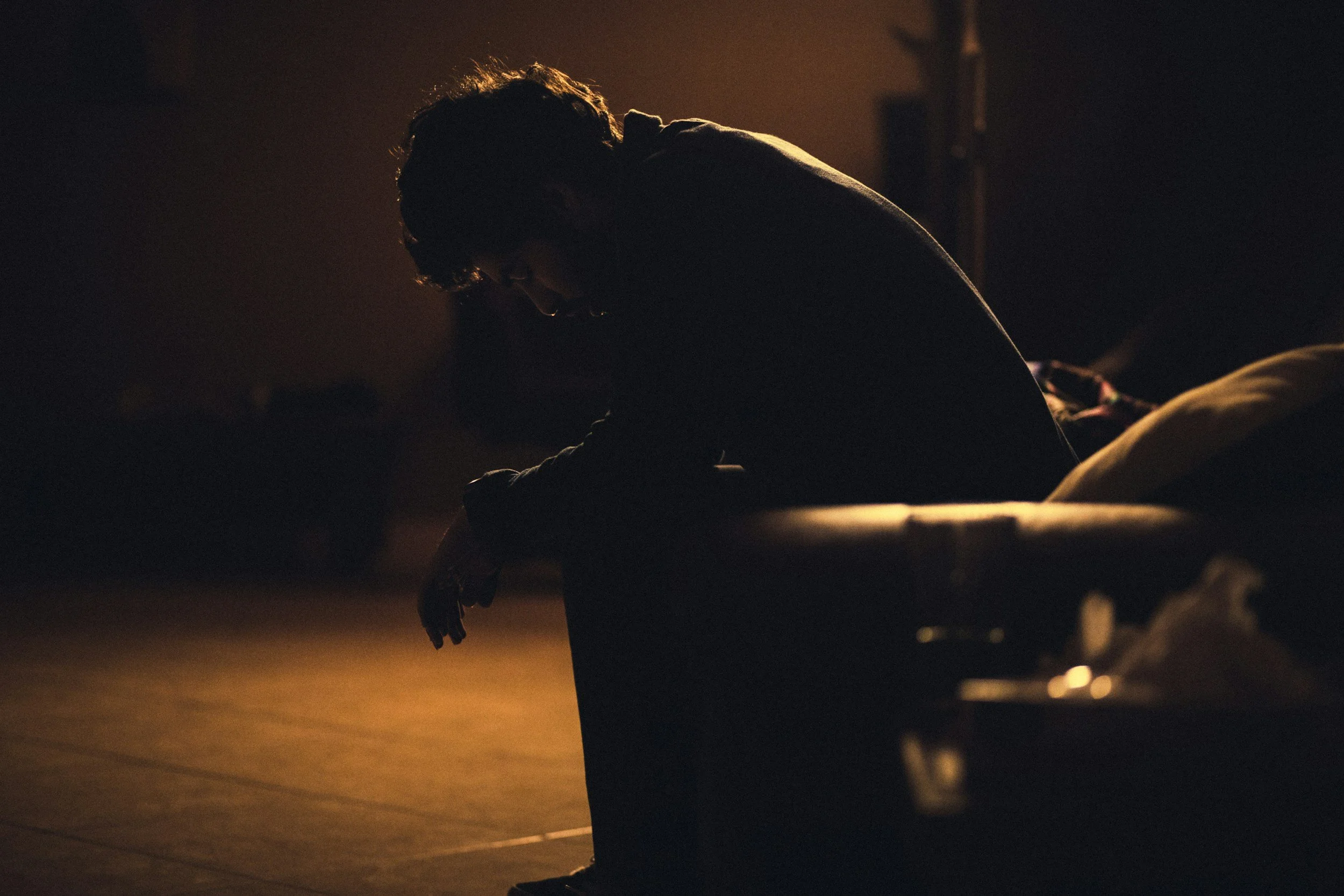
Depression
Depression often occurs alongside anxiety, and it can affect nearly every part of your life. Signs of depression can include a persistently low mood, difficulty enjoying things you used to care about, low motivation, fatigue, changes in appetite or sleep, trouble concentrating, and, at times, thoughts of suicide or self-harm. Many people with depression also struggle with low self-esteem, harsh self-criticism, and a tendency to blame themselves for things that are not truly their fault. It can feel like your mind is stuck in a loop of focusing on past mistakes or perceived personal flaws.
Depression is one of the most painful and debilitating mental health conditions. For some people, it seems to come out of nowhere. For others, it develops in response to a major stressor, loss, or life transition. Some people have experienced depression on and off for years and are not sure what it would even feel like to be “not depressed.”
In therapy, we focus on taking small, realistic steps toward helping you feel more like yourself again. That might mean gradually rebuilding routines, addressing unhelpful patterns of thinking, working through difficult experiences, or finding ways to reconnect with things that bring a sense of meaning or relief. If you have always struggled with depression, we can work together to establish a more workable and sustainable baseline and improve your overall quality of life.
Depression can make it feel like change is impossible, but that is part of the illness itself. With the right support and approach, many people do find that things can feel lighter, more manageable, and more hopeful over time.